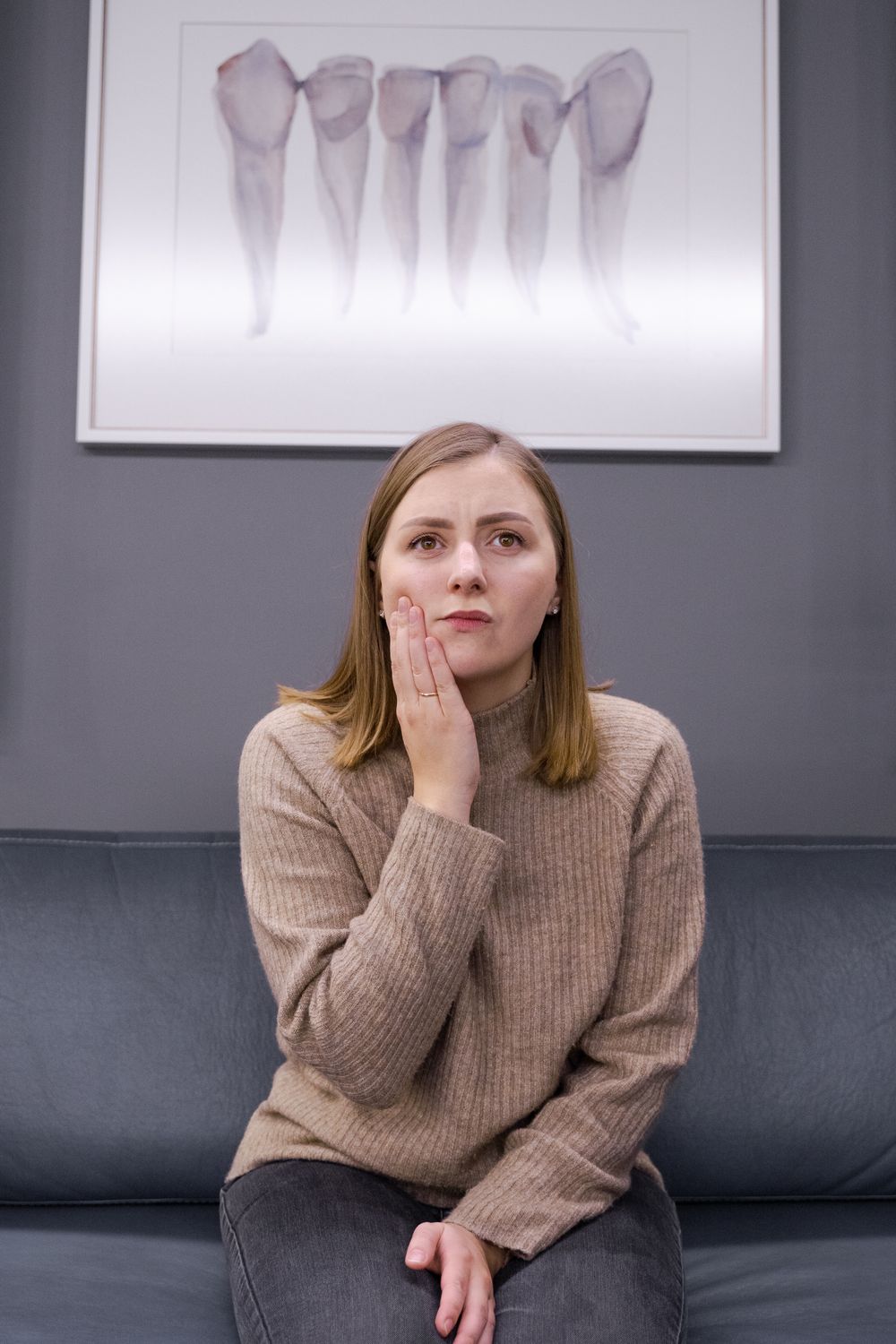
Woman holding her jaw in pain
TMJ & Facial Pain · Bellevue, Washington

Your jaw pain has a cause. We find it.

Clicking, locking, morning headaches, ear pain no one can explain. With more than 30 years of clinical experience and advanced training in oral medicine and orofacial pain, Dr. Jeffrey Doneskey finds the real source and treats it with care built around your jaw.

The Doneskey difference

Thirty years of finding what others miss.

Most people with TMJ spend years treating the wrong thing: ear drops for ears that aren't infected, migraine medication for headaches that start in the jaw, night guards that never quite fit.

Dr. Doneskey brings more than three decades of experience and the training of a certified oral medicine specialist to one question: where does your pain really begin? Then he builds a treatment plan around the answer.

Jeffrey W. Doneskey, DMDCertified Specialist in Oral Medicine
Meet Dr. Doneskey
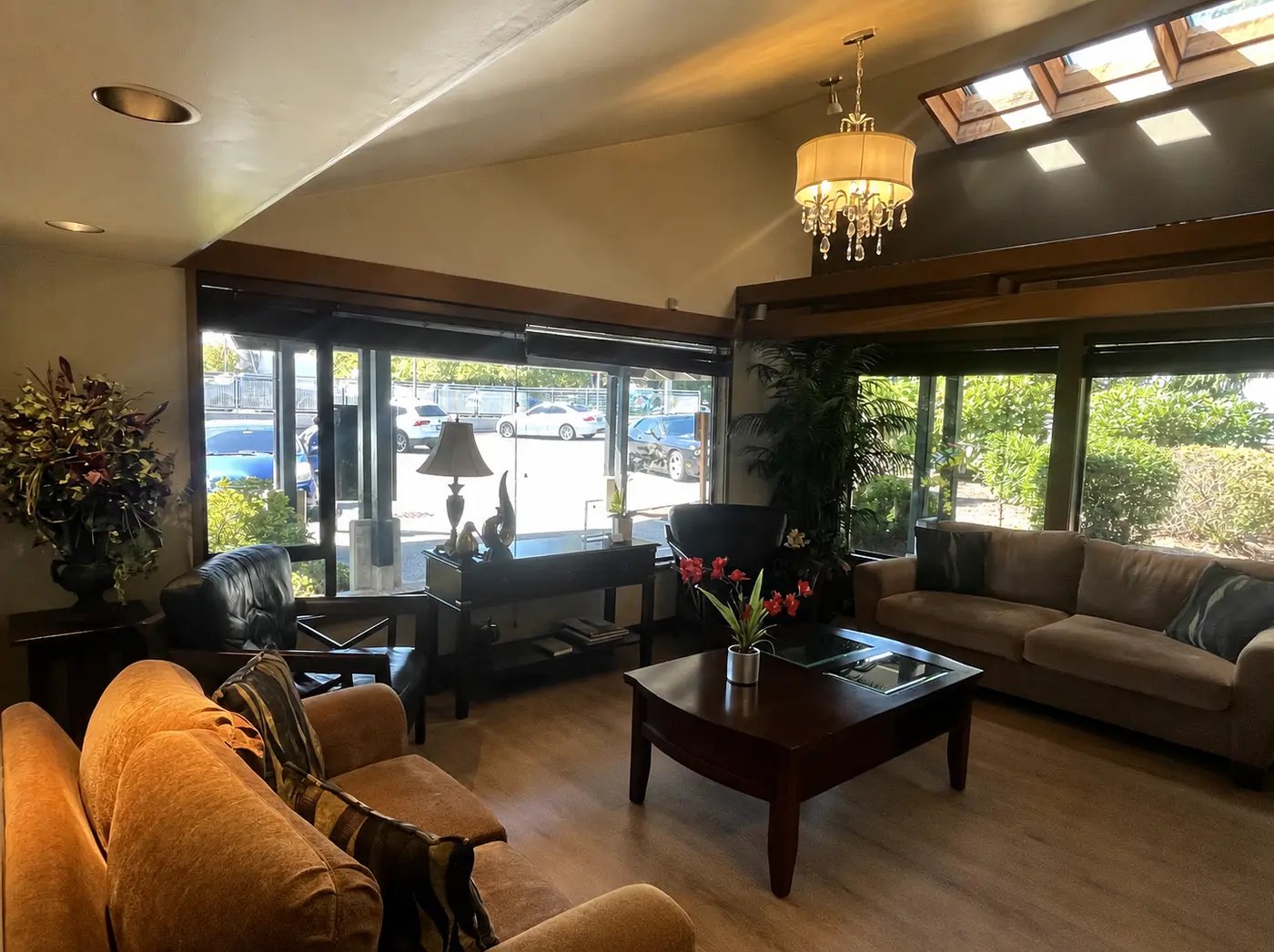
Warm, light-filled reception lounge with leather sofas and a chandelier
Our Bellevue office
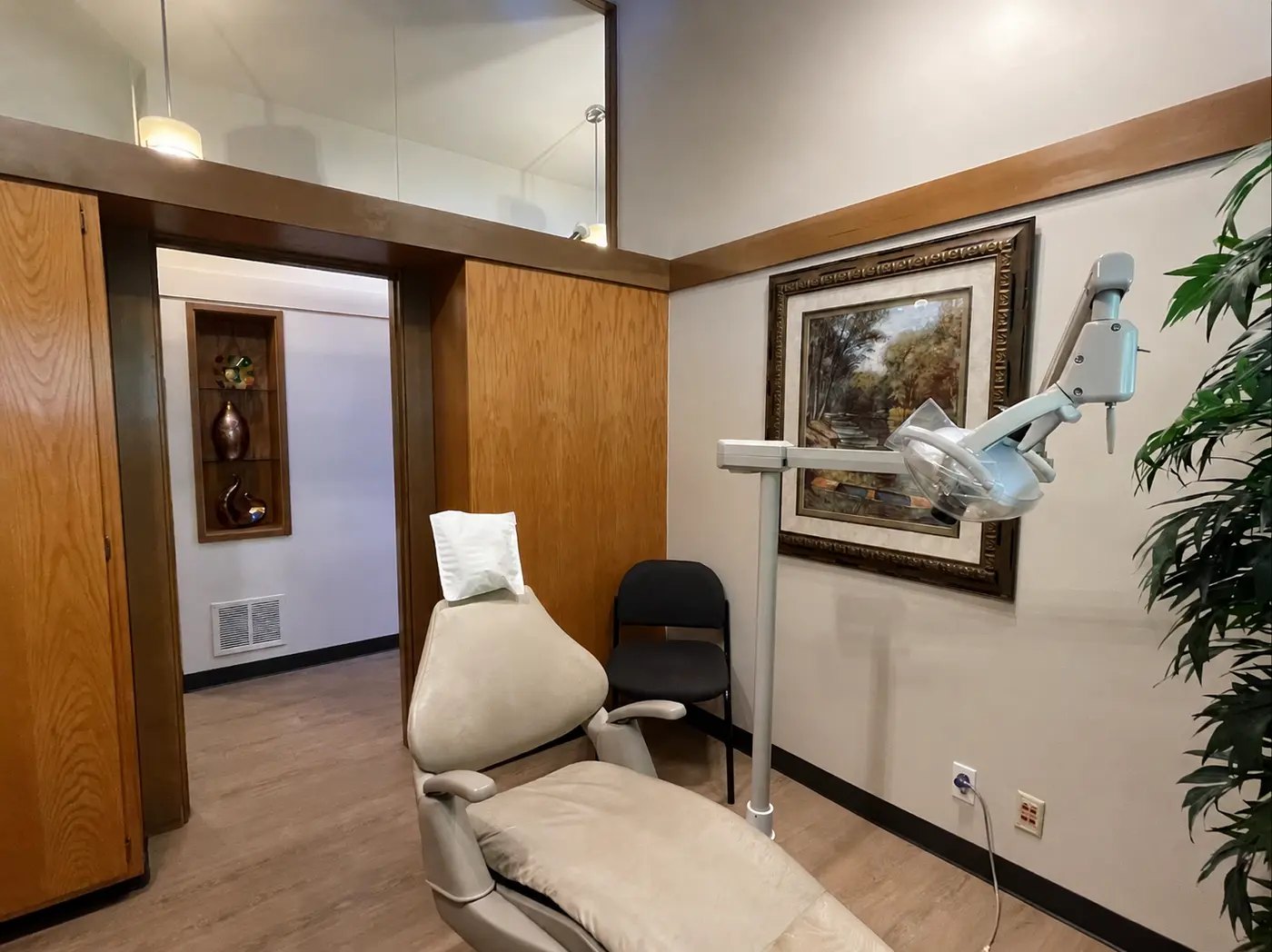
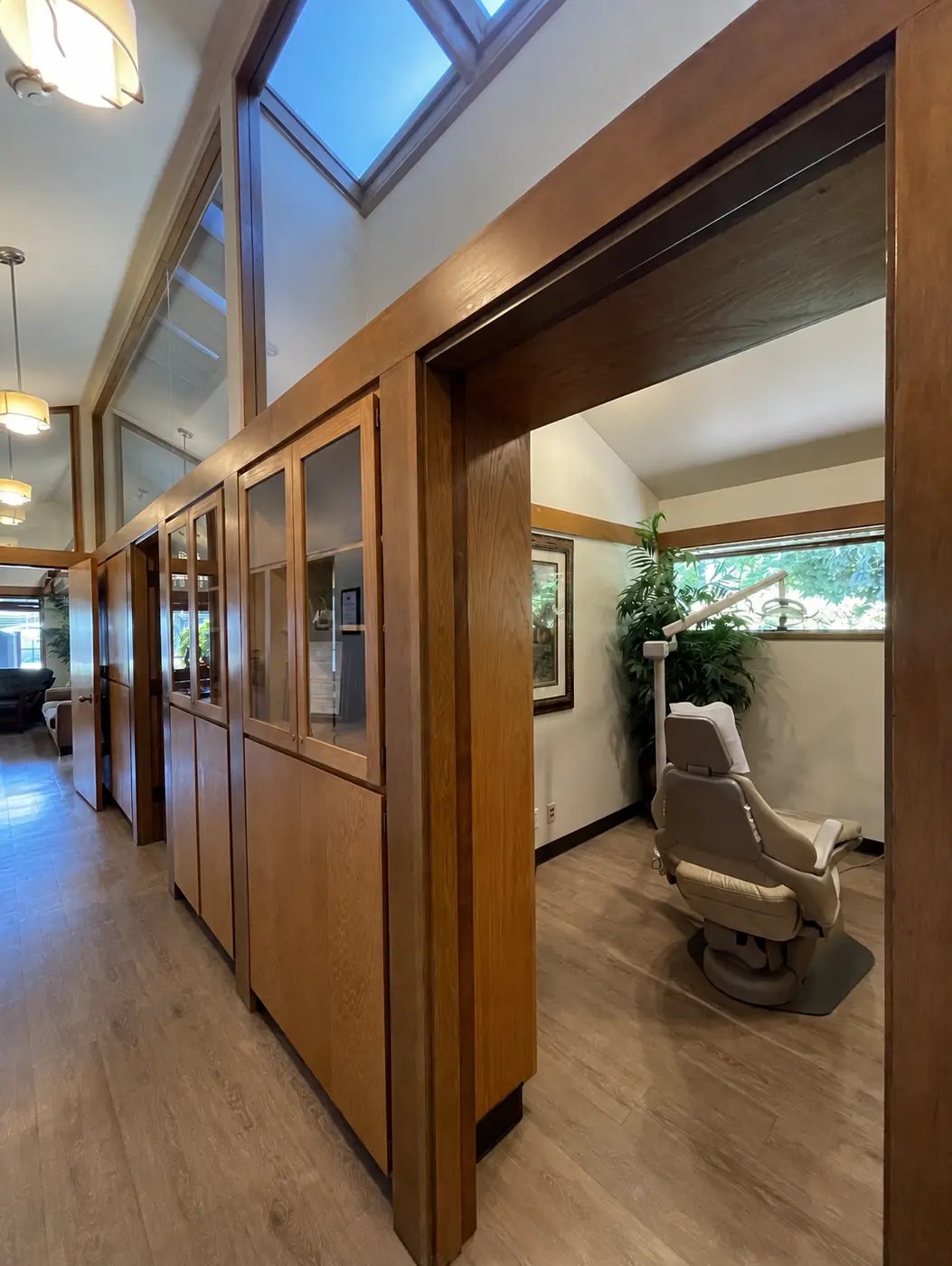
Private treatment room with a dental chair and framed landscape painting
Private treatment rooms
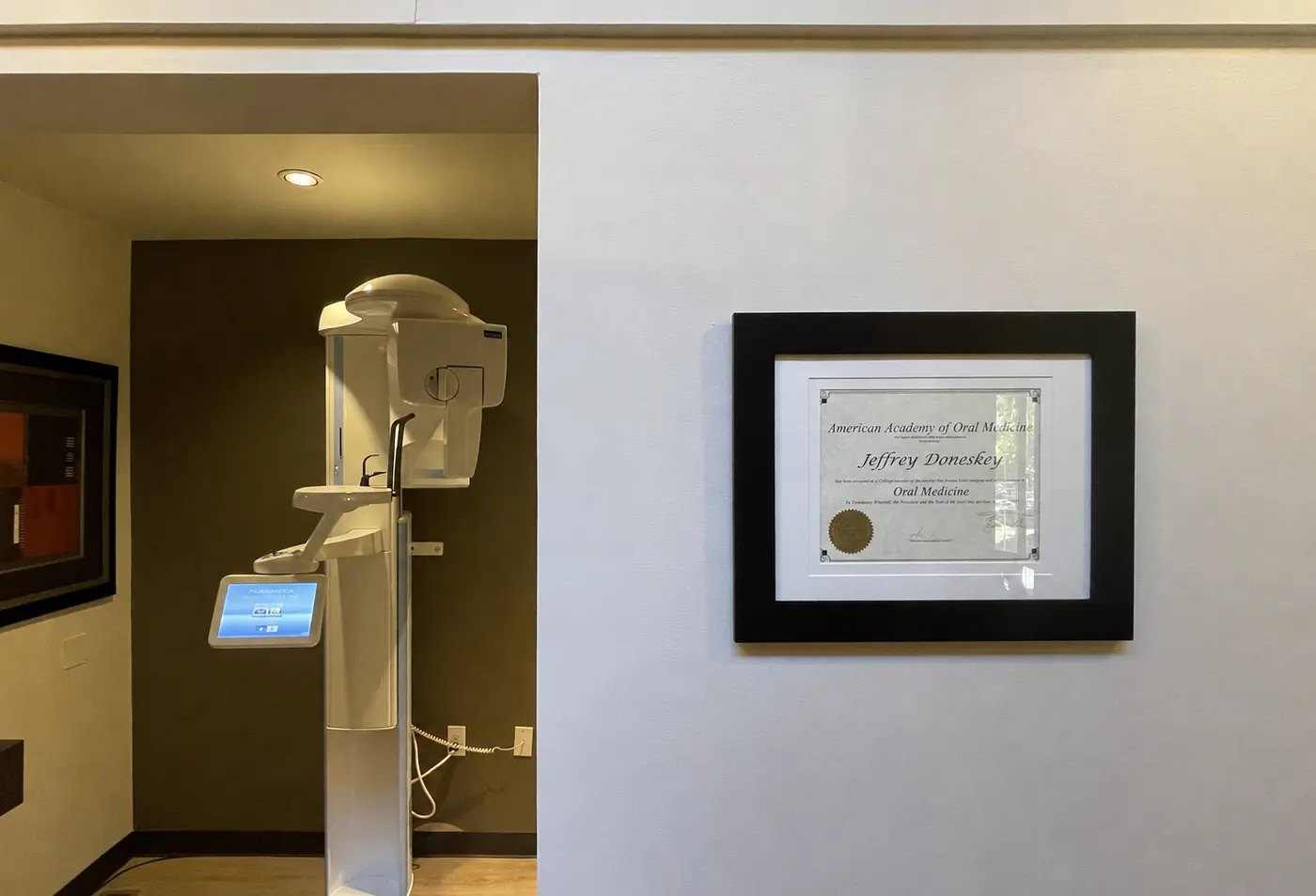
Planmeca imaging system beside Dr. Doneskey's framed certificate
In-office jaw imaging
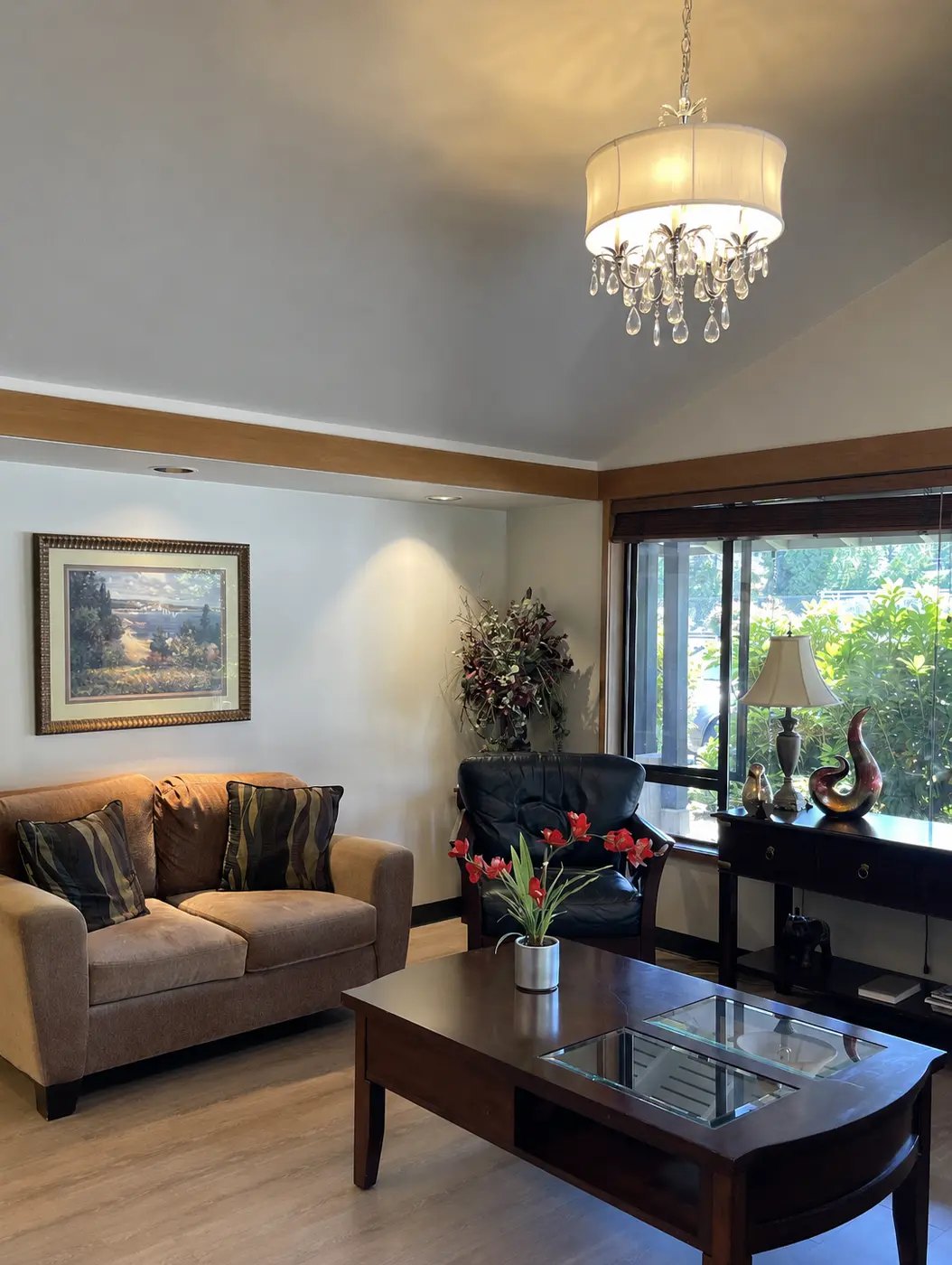
Reception sitting area with a sofa, chandelier and fresh flowers
30+Years of clinical experience, practicing since 1987
4 yrsOf post-doctoral training: UW Oral Medicine & a Fred Hutch fellowship
2Hospital affiliations: Overlake & EvergreenHealth
7Professional memberships, including the American Academy of Orofacial Pain
Why Dr. Doneskey

The TMJ doctor other doctors trust.

When jaw and facial pain has stumped everyone else, patients across the Pacific Northwest find their way to Dr. Doneskey. Here is what sets him apart.

01

Specialist-level training

A Certificate in Oral Medicine from the University of Washington's two-year advanced program, plus an independent two-year fellowship in Oral Oncology at Fred Hutchinson Cancer Research Center. That is four years of training beyond dental school.

02

Three decades of TMJ focus

Dr. Doneskey opened his practice in 1987 with a focus on TMJ disorders and has more than 30 years of clinical experience diagnosing jaw and facial pain.

03

He invented the appliance

Dr. Doneskey studied the link between sleep problems and TMJ disorders, then designed the SilentPartner™, a patented, FDA-cleared oral appliance that is TMJ-friendly and fully adjustable.

04

Orofacial pain expertise

A member of the American Academy of Orofacial Pain and the American Academy of Oral Medicine, the two professional bodies most focused on jaw and facial pain.

05

Hospital-affiliated

Affiliated with Overlake Medical Center and EvergreenHealth, and trusted by physicians and dentists who refer their most complex jaw and facial pain cases.

06

Advanced digital diagnostics

Open- and closed-jaw imaging, 3D digital scans and a color-coded bite pressure map show exactly what your joints, muscles and teeth are doing.

What matters
Common TMJ care
With Dr. Doneskey
Training
General dental training, with TMJ as a small part
Certified specialist in Oral Medicine with 4 years of advanced training
Diagnosis
A quick look and a description of symptoms
Full history, joint and muscle exam, imaging and digital bite analysis
Your bite
Checked by eye or with marking paper
3D Digital Occlusal Analysis maps every contact point and pressure spot
Appliance
A generic night guard
Custom, adjustable appliance, including the SilentPartner™ he designed
Sleep connection
Rarely considered
Evaluated every time, with at-home sleep testing available
Follow-through
One fitting, then you're on your own
Ongoing adjustments until your symptoms settle
Where TMJ hides

It rarely hurts where you'd expect.

The jaw joint shares nerves and muscles with your head, ears and neck, so TMJ pain travels. That's why it's one of the most commonly misdiagnosed causes of head and face pain.

Symptoms people never connect

Some TMJ signs don't feel like a jaw problem at all.

Inflammation around the joint can affect nearby nerves, muscles and ear structures. If you've had any of these without a clear explanation, your jaw deserves a closer look.

What commonly drives TMJ disorders

StressTeeth grinding (bruxism)ClenchingPoor postureJaw or head injuryArthritis in the jointBite problemsNail-bitingHeavy gum chewingHormonal changesPlaying instrumentsPoor sleep
  • Ear fullness or pressureStuffy, plugged ears with no infection
  • Dizziness or vertigoLightheadedness or a spinning feeling
  • TinnitusRinging or buzzing in one or both ears
  • Trouble swallowingMouth and throat muscles out of sync
  • Vision changesBlurriness or eye strain alongside jaw pain
  • Tooth sensitivityTeeth that ache, especially when chewing, with no dental cause
  • Facial swellingPuffiness or asymmetry, often on one side
  • Chronic fatiguePain that keeps you from deep, restful sleep
  • Tingling or numbnessOdd sensations in the face or fingers
  • Speech changesTired, slowed or unclear speech from limited jaw movement
Inside the joint

Why your jaw clicks.

Each TMJ is a ball-and-socket hinge with a small cushion of cartilage, the disc, riding on top. When that disc slips out of place, the joint has to jump over it. That jump is the click you hear.

Side view of the temporomandibular joint showing the condyle, disc and socket SOCKET (FOSSA) EMINENCE EAR CONDYLE click
DiscJaw (condyle)Skull
Stage 1 of 3
60-second self-check

Which of these sound like you?

Misty evergreen forest with ferns in the Pacific Northwest

Quiet mornings start with the right diagnosis.

Relief that lasts comes from understanding exactly what your joints and muscles are doing, then building treatment around that.

How Dr. Doneskey diagnoses TMJ

An exact diagnosis, before anything else.

Most TMJ treatment fails because it starts with a guess. Dr. Doneskey's evaluation pinpoints whether your pain comes from the joint, the muscles, your bite, your sleep, or a combination, so treatment targets the true cause.

01

Listening & history

An unhurried conversation about your symptoms, when they started, your pain patterns, sleep, stress and health factors that could be contributing.

Pain patternsSleepHealth history
02

Hands-on clinical exam

A careful check of how your jaw opens and moves, joint sounds, bite alignment and tenderness in the chewing, head and neck muscles.

Range of motionJoint soundsMuscle tenderness
03

Advanced imaging

Open- and closed-jaw X-rays show how each joint sits and moves. When needed, CT, cone beam CT or MRI checks for arthritis, disc displacement and other joint problems.

Open/closed jaw X-raysCone beam CTMRI
04

Digital bite analysis

A 3D scan of your teeth and jaws builds a digital model that reveals bite interferences, instability and the spots taking too much pressure.

3D scanOcclusal analysisPressure map
05

Specialized testing

When the picture calls for it, muscle activity testing (EMG) and joint vibration analysis add even more precision.

EMGJoint vibration analysis
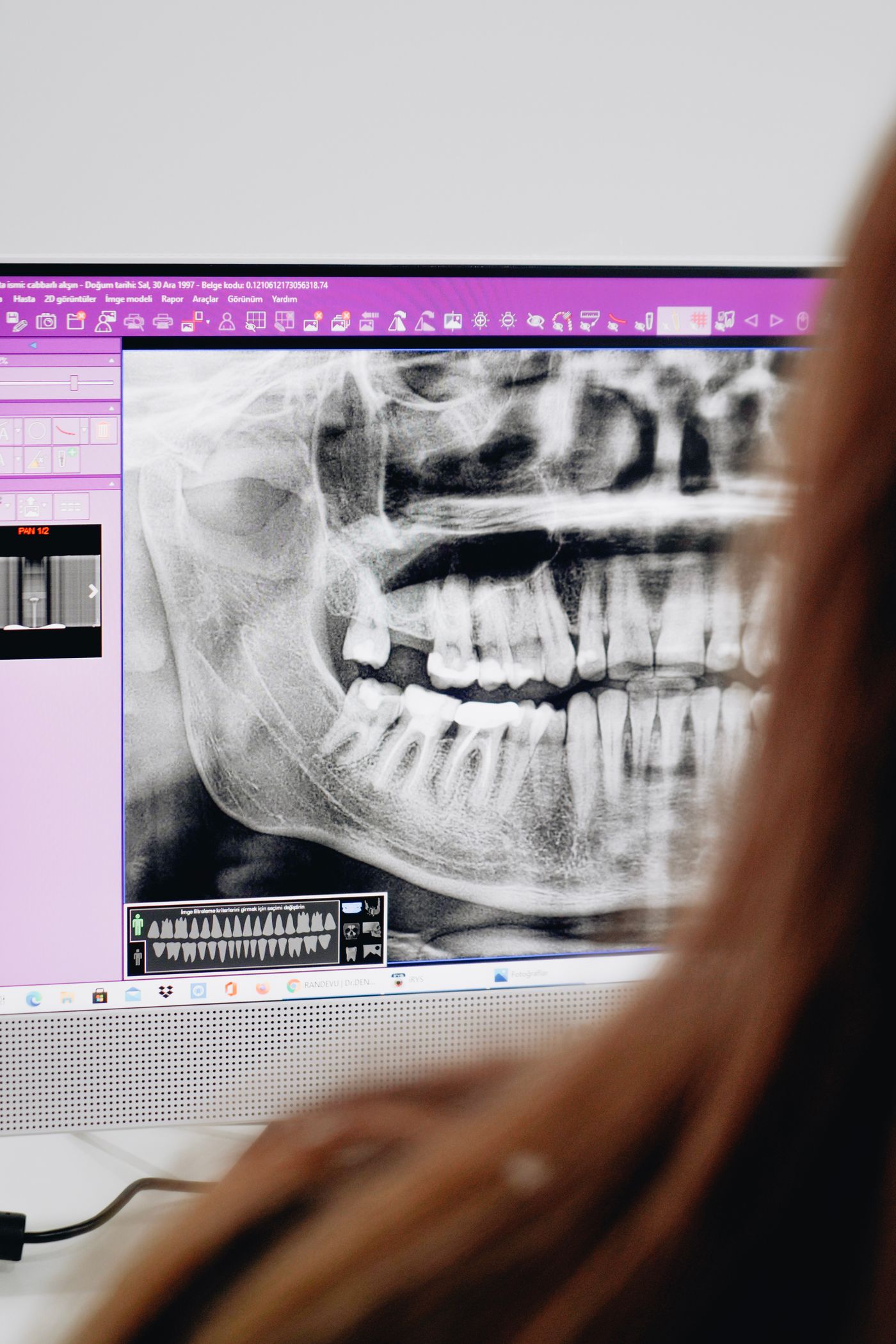
Clinician reviewing a panoramic X-ray of the jaw on a monitor

You'll see what we see.

Dr. Doneskey walks you through your images and bite map on screen, so you understand exactly what's causing your pain and why the plan will work.

Advanced technology

Diagnostic tools most practices don't have.

Precision equipment replaces guesswork, messy impressions and generic appliances with data about your jaw.

Planmeca ProMax imaging unit in the Bellevue office
Planmeca ProMax 2D S3

Jaw & airway imaging

Open- and closed-jaw X-rays show how each joint sits and moves, while airway images reveal narrowing linked to snoring and sleep apnea.

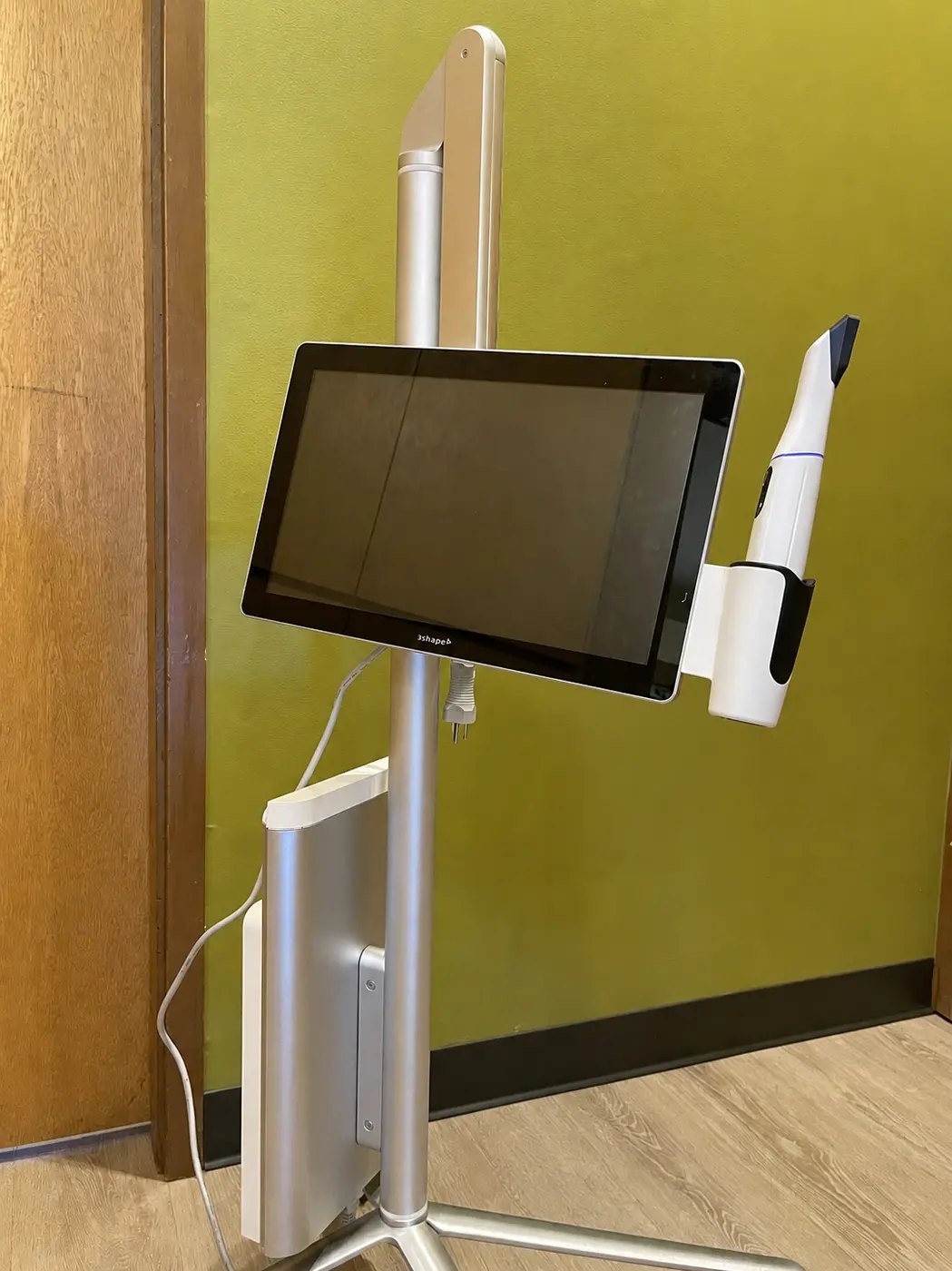
3Shape TRIOS digital scanner and chairside display
3Shape TRIOS 5

3D digital scanning

No goopy putty. A handheld scanner captures your teeth and jaw in 3D to fabricate precise appliances and run a full Digital Occlusal Analysis.

3Shape MOVE

Your bite, in color

A chairside 3D display shows a color-coded heat map of bite pressure and grinding wear, and how your airway changes as an appliance moves the jaw.

TMJ treatment

Conservative care that actually works.

Most TMJ disorders can be managed without surgery. Dr. Doneskey builds a plan around your diagnosis, starting with the gentlest treatment that will get results.

Smiling, relaxed woman by a bright window
The cornerstone

Custom oral appliance therapy

Designed from your 3D scan and bite analysis, your appliance takes pressure off the joint, relaxes overworked muscles and protects your teeth from grinding. For patients whose TMJ is tied to snoring or sleep apnea, the SilentPartner™ can address both.

  • Made from a precise digital scan of your bite
  • Fully adjustable as your jaw improves
  • Fine-tuned at follow-up visits until symptoms settle

Muscle & joint care

Guidance to calm inflamed tissue and retrain tight muscles.

  • Physical therapy coordination when it helps
  • Warm compresses to relax muscles, cold packs for flare-ups
  • Medication guidance for pain and inflammation

Habits & lifestyle

Small daily changes that keep results lasting.

  • Stress management and relaxation techniques
  • Anti-inflammatory eating and softer foods during flare-ups
  • Consistent 7 to 8 hours of quality sleep

Surgery is reserved as a last resort for severe joint damage that hasn't responded to conservative care.

Wood-paneled hallway leading to a private treatment room
Insurance

We'll help you check your coverage.

Many insurers cover all or part of an oral appliance, though some don't. Check with your provider before your visit, or ask our team to contact your insurer for you.

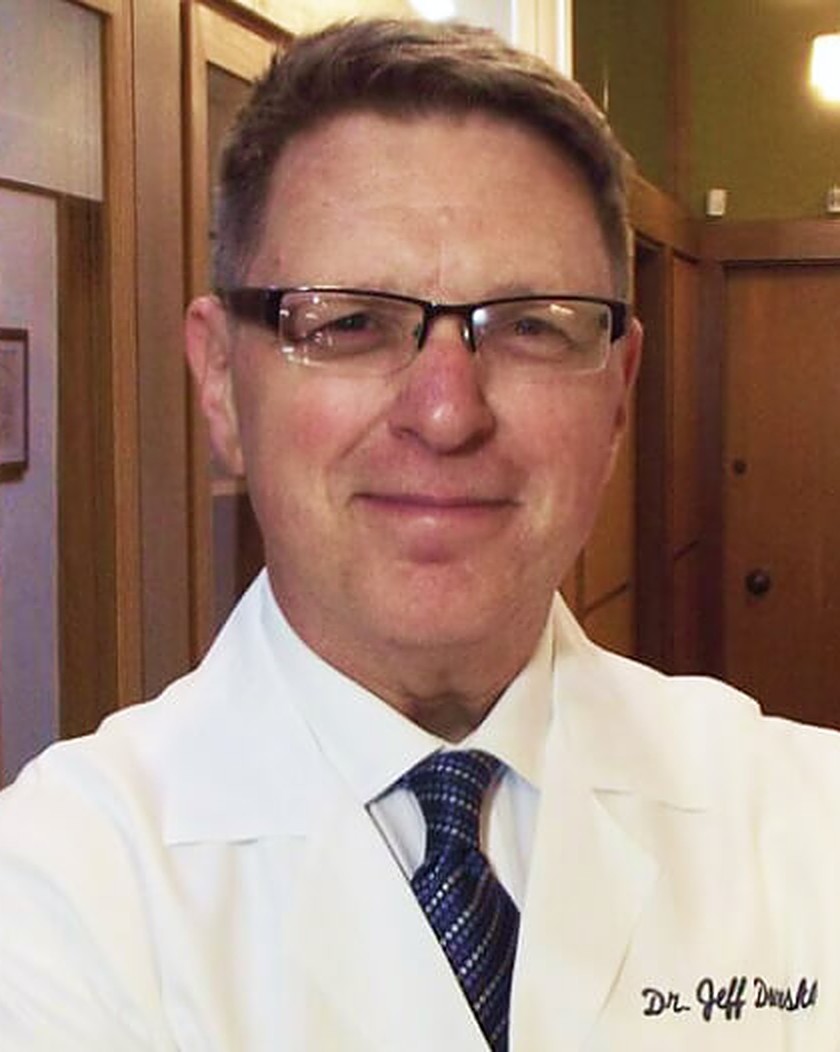
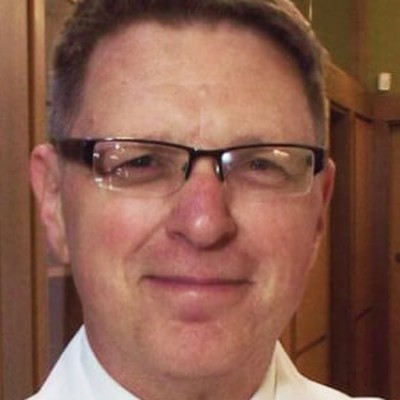
Dr. Jeffrey W. Doneskey, DMD, in his white coat at his Bellevue practice
Your doctor

Dr. Jeffrey W. Doneskey

DMD · Certified Specialist in Oral Medicine

For more than 30 years, Dr. Doneskey has been the doctor Pacific Northwest patients turn to when jaw and facial pain won't go away. He diagnoses and manages TMJ and orofacial pain, oral mucosal disease and oral signs of systemic illness, and he treats obstructive sleep apnea and snoring.

Patients describe him as kind, patient, enthusiastic and very thorough. He's approachable, has a good sense of humor, and takes the time to listen before he diagnoses. His goal is simple: care tailored to you, with results that last.

1987Doctor of Dental MedicineUniversity of British Columbia School of Dentistry
Private practiceFocus on TMJ disordersOpened his practice with a focus on TMJ disorders and comprehensive restorative dentistry
Two-year programCertificate in Oral MedicineUniversity of Washington School of Dentistry, advanced training in TMJ disorders and oral medicine
Two-year fellowshipOral OncologyFred Hutchinson Cancer Research Center, Seattle
InnovationInventor of the SilentPartner™A patented, FDA-cleared, TMJ-friendly oral appliance
Oral MedicineCertified specialist
University of WashingtonAdvanced TMJ & oral medicine training
Overlake & EvergreenHealthHospital affiliations
Clinical researchContributes to research in his field
Professional memberships

  • American Academy of Orofacial Pain
  • American Academy of Oral Medicine
  • American Academy of Dental Sleep Medicine
  • American Academy of Dental Consultants
  • American Dental Association
  • Washington State Dental Association
  • Seattle-King County Dental Society
Woman sleeping peacefully in soft morning light
The night shift

Wake up without the jaw ache.

A lot of TMJ strain happens while you sleep. Nighttime clenching and grinding load the joint for hours, and they're often tied to how well you breathe at night.

Because Dr. Doneskey treats both TMJ disorders and sleep apnea, he looks at the whole picture. The SilentPartner™ oral appliance is designed to support healthy jaw function and can address TMD symptoms and sleep apnea together.

Nighttime clenchingGrindingSnoringMorning headachesCPAP alternative
Why not wait

TMJ disorders tend to get worse, not better.

Left untreated, a TMJ problem can progress and cause lasting damage. Early, conservative care is usually simpler, faster and more effective.

Get evaluated now
Chronic painEating, speaking and sleeping become harder
Joint damageOpening your mouth can become difficult or impossible
Tooth wear & lossGrinding steadily wears teeth down
Worse sleepTMJ problems can affect airway muscles and breathing at night
Migraines & tinnitusRecurring headaches and ringing ears
Mood & focusOngoing pain feeds anxiety, stress and poor concentration
The good newsWith an accurate diagnosis and the right appliance, most patients get lasting relief without surgery.
Patient stories

Fewer painkillers. Quieter jaws. Better mornings.

Sunlit misty evergreen forest

Jaw pain, popping and daily headaches, relieved.

Forrest came in with TMJ pain, a popping jaw and headaches every day. His custom oral appliance relieved them and cut his reliance on over-the-counter painkillers.

FForrest W. · TMJ patient

A doctor who actually listens.

Natasha values how Dr. Doneskey listens, solves problems and always makes time for her questions.

NNatasha G.

Professional, easy, and no more CPAP.

Frank found the doctor and team professional and easy to work with, and prefers his SilentPartner appliance to CPAP.

FFrank S.

"So kind, patient, enthusiastic, and very thorough."

Maxine sleeps better and naps less during the day since starting treatment with an oral appliance instead of CPAP.

MMaxine P.
TMJ questions, answered

What patients ask us most.

Still unsure? Call (425) 646-6409 and our team will walk you through it.

What's the difference between TMJ and TMD?

TMJ is the temporomandibular joint itself, the hinge in front of each ear that connects your lower jaw to your skull. TMD (temporomandibular disorder) is the name for problems with that joint and the muscles that move it. Most people say "TMJ" when they mean the disorder.

Who should I see for TMJ pain in Bellevue?

Look for a provider with advanced training in TMJ disorders and orofacial pain. Dr. Doneskey is a Certified Specialist in Oral Medicine with two years of advanced TMJ and oral medicine training from the University of Washington.

Can TMJ cause headaches and ear pain?

Yes. The jaw joint sits directly in front of the ear canal, and the chewing muscles attach at the temples. TMJ problems commonly show up as temple headaches, ear pain or fullness, ringing, and neck tension.

Will my clicking jaw go away on its own?

Painless clicking can stay stable for years, but clicking with pain, catching or limited opening is worth having examined. Untreated TMJ problems can progress, and early, conservative care is usually simpler.

How is TMJ diagnosed?

Dr. Doneskey starts with a detailed history and a hands-on exam of jaw movement, joint sounds, bite and muscle tenderness. Open- and closed-jaw imaging, a 3D digital bite analysis and, when needed, CT, cone beam CT, MRI, EMG or joint vibration analysis complete the picture.

What causes TMJ disorders?

Common causes include stress, clenching and grinding, poor posture, jaw or head injury, arthritis in the joint, bite problems, habits like nail-biting or heavy gum chewing, and hormonal changes. Often several factors combine.

What makes Dr. Doneskey different from a general dentist?

He is a certified specialist in Oral Medicine with four years of post-doctoral training, more than 30 years of clinical experience, membership in the American Academy of Orofacial Pain, hospital affiliations with Overlake and EvergreenHealth, and he designed his own FDA-cleared oral appliance, the SilentPartner™.

Do I need surgery for TMJ?

Most people with TMD are treated conservatively, without surgery. Care usually starts with an accurate diagnosis and a custom oral appliance, along with habit and muscle care.

Does insurance cover TMJ treatment?

Many insurers cover all or part of an oral appliance, though some don't. Check with your provider before your consultation, or ask our team to contact your insurer for you.

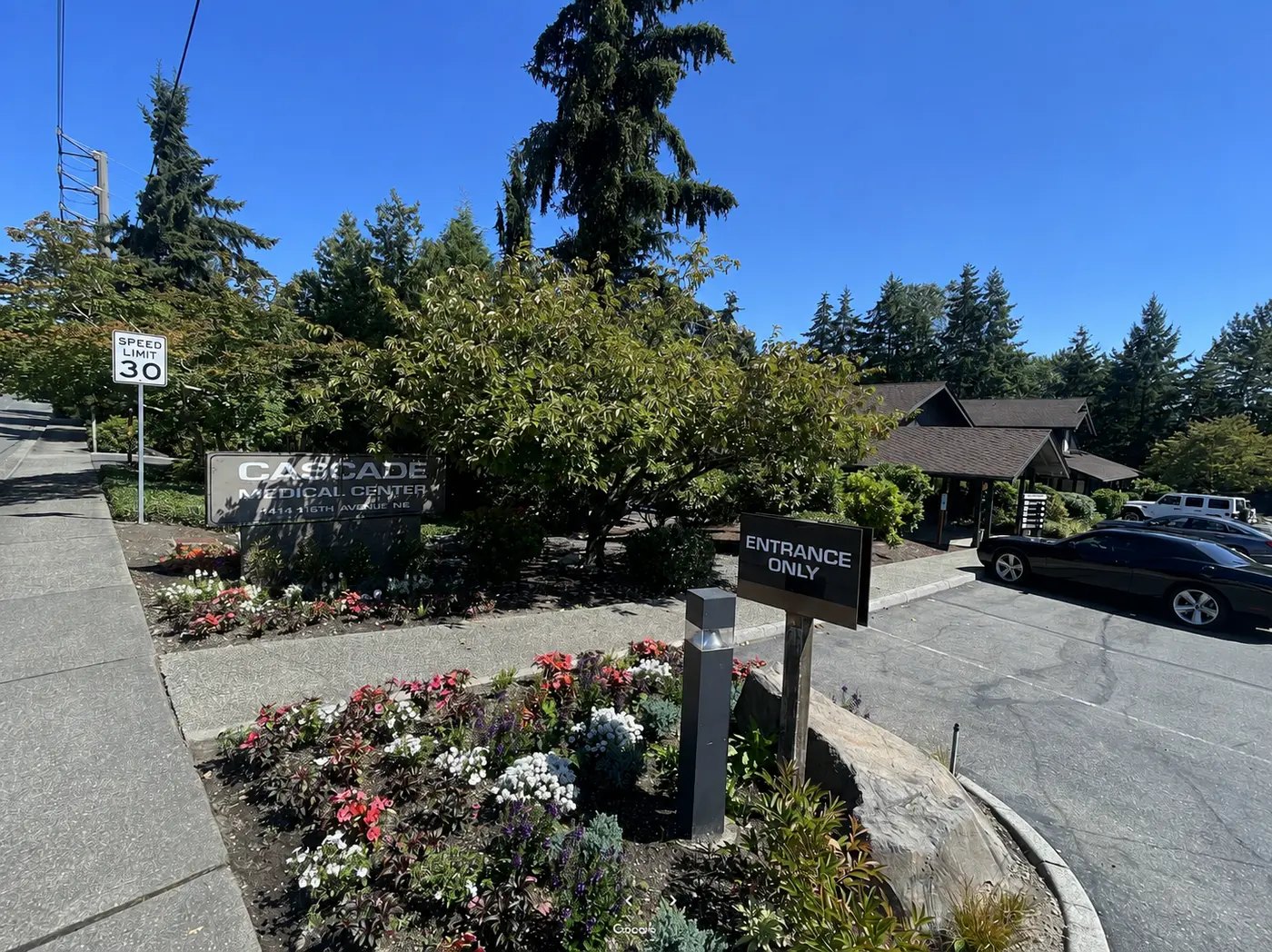
Landscaped entrance to the Bellevue office park under evergreen trees
1414 116th Ave NE, Suite ABellevue, WA 98004
Visit us

TMJ care in the heart of Bellevue.

Address

1414 116th Ave NE, Suite A
Bellevue, WA 98004

Hours

Monday – Thursday9:00 am – 5:00 pm
Friday9:00 am – 1:30 pm
Saturday – SundayClosed

TMJ patients come to us from

BellevueKirklandRedmondIssaquahSeattleSammamishMercer IslandWoodinvilleBothellNewcastleRentonKenmoreShorelineClyde Hill
Start feeling better

Stop living around your jaw.

Request a TMJ evaluation with Dr. Doneskey. We'll find out what's driving your pain and map out a plan to fix it.

Prefer to talk? Call us(425) 646-6409

Request your TMJ evaluation

Our team will reach out to schedule your visit.

Preview mode: this form isn't connected yet. On the live site, requests go straight to the front desk.

Please don't include detailed medical history. We'll cover that at your visit.

Call nowBook evaluation